

 By
By Keeping Workstations Clean and Organized
A well-kept workplace feels fresh, orderly, and professional. Therefore, Office Cleaner Duties support daily operations in many ways. In addition, they handle several duties that improve comfort, hygiene, and appearance.
Moreover, a reliable cleaner looks after both major areas and small details. From desks to washrooms, every section needs regular care. These daily Office Cleaner Duties help businesses maintain a neat and productive environment.
1. Caring for Desks and Workstations
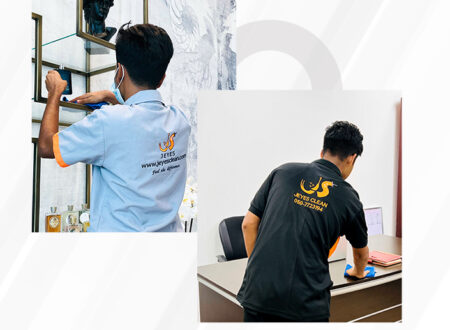
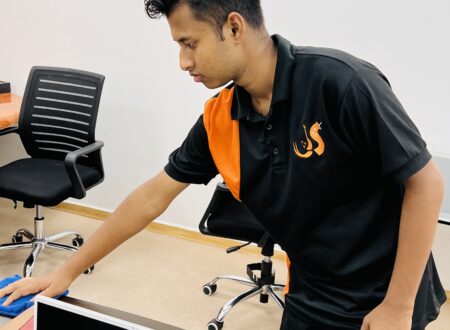
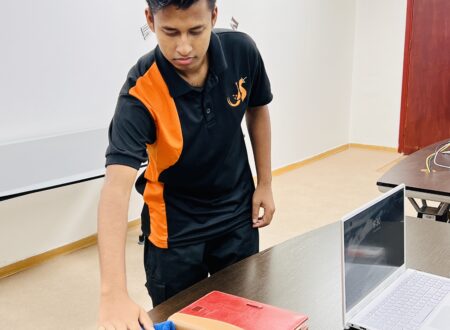
Desks can gather dust, marks, and small bits of debris during the day. Therefore, cleaners wipe suitable surfaces and keep work areas presentable.
In addition, they take care of chairs, shelves, cabinets, and nearby furniture. As a result, employees can begin their day in a neat and pleasant setting.
This task is one of the most common office cleaning responsibilities in any workplace.
2. Looking After Floors
Office flooring faces constant foot traffic. Because of this, shoes can carry in sand, dust, and other particles.
For this reason, cleaners sweep, vacuum, and mop floors based on the surface type. Moreover, they focus on entrances, corridors, and busy zones.
As a result, their work keeps the premises polished and well maintained.
Regular floor care is an important part of daily office cleaning duties.
3. Managing Waste
Rubbish can build up quickly in work areas and meeting spaces.
Therefore, cleaners empty bins and replace liners when required. After that, they move waste to the correct collection point.
As a result, regular disposal helps control unpleasant smells and keeps the office orderly.
Proper waste handling is also part of professional office cleaning services.
4. Maintaining Washrooms
Many people use office washrooms throughout the day.
Therefore, cleaners wash toilets, sinks, mirrors, taps, and floors. Moreover, they check soap, tissue, and other essential supplies.
In this way, they help staff and guests use a hygienic and comfortable facility.
Washroom care remains one of the key responsibilities of an office cleaner.
5. Taking Care of Pantry Areas
Pantries can become untidy during busy hours. Food spills, used cups, crumbs, and rubbish may collect on counters and tables.
Therefore, cleaners wipe counters, tables, sinks, and suitable surfaces. In addition, they remove waste and maintain the surrounding floor.
As a result, they create a pleasant space where employees can take breaks.
Regular pantry care supports better workplace hygiene and overall cleanliness.
6. Removing Dust from Furniture and Equipment
Fine particles can settle on desks, shelves, cabinets, window ledges, and office devices.
For this reason, cleaners dust these areas as part of their routine. At the same time, they use suitable methods around monitors, computers, and other electronics.
As a result, they keep the workspace fresh and presentable.
Dusting also forms an important part of office maintenance cleaning.
7. Paying Attention to High-Touch Areas
People touch door handles, switches, lift buttons, rails, and shared equipment many times each day.
Therefore, cleaners give these contact points extra attention. Furthermore, businesses can include office sanitization when they want a higher level of hygiene.
In this way, cleaning teams help maintain better office hygiene throughout the day.
8. Looking After Reception and Meeting Spaces
Reception areas often shape a visitor’s first impression. Similarly, meeting rooms welcome clients, partners, and guests.
Therefore, cleaners keep chairs, tables, floors, and nearby surfaces tidy. After meetings, they remove rubbish and reset the room.
As a result, they help the business maintain a polished appearance.
This type of care is essential in commercial office cleaning.
9. Wiping Glass and Windows
Glass doors, partitions, and windows can quickly collect fingerprints and marks.
Therefore, cleaners wipe accessible glass surfaces and remove visible smudges. As a result, they make the office look brighter and more refined.
However, businesses may need professional window and glass cleaning services for larger or hard-to-reach areas.
10. Maintaining Carpeted Areas
Carpets can trap dust, crumbs, and dirt from daily foot traffic.
Therefore, office cleaners vacuum these areas regularly. In addition, they report stains that need deeper treatment.
For example, professional carpet cleaners can restore heavily used sections and improve their appearance.
Carpet care is often included in broader office cleaning services.
11. Replacing Essential Supplies
Cleaners may also check basic items in shared facilities.
For instance, they may refill hand soap, tissues, and bin liners. As a result, employees can use these spaces without unnecessary delays.
This task forms part of routine office cleaner responsibilities.
12. Reporting Facility Issues
Cleaning staff move through many parts of the building. Because of this, they may notice problems before others do.
For example, they might spot leaks, blocked sinks, loose fittings, or damaged furniture.
Therefore, a responsible cleaner reports these concerns quickly. As a result, the company can solve them before they become more serious.
13. Following a Work Schedule
A clear routine helps cleaners cover every important area.
For example, some duties need daily attention, while others only need weekly or periodic care. Therefore, staff can use an office cleaning checklist to stay organized.
Moreover, a structured plan helps the team maintain consistent standards across the premises.
Why Are Office Cleaners Important?
Office cleaners help the workplace run smoothly. In particular, they look after workstations, flooring, washrooms, common spaces, and shared facilities.
In addition, their work helps businesses:
- Keep work areas orderly
- Improve workplace hygiene
- Care for shared facilities
- Protect flooring and furniture
- Handle waste properly
- Create a professional impression
- Save employee time
Most importantly, cleaners allow staff to focus on their own responsibilities.
Professional Office Cleaning Makes a Difference
The responsibilities of a cleaner in an office cover much more than sweeping floors and emptying bins. In fact, cleaning teams support hygiene, comfort, organization, and a professional appearance.
Ultimately, regular upkeep creates a better environment for employees and visitors. Therefore, businesses can choose professional office cleaning services to maintain a fresh and well-managed workplace.
Key phrases naturally used in this article include office cleaner duties, office cleaning responsibilities, responsibilities of an office cleaner, daily office cleaning duties, office hygiene, workplace hygiene, commercial office cleaning, office maintenance cleaning, office cleaning checklist, and professional office cleaning services.
For more services;
> How professional office cleaning improves employee productivity?